

Rib and Chest Wall Injuries at Work: What Happens After a Fall
A fall at work can cause far more than a painful bruise. Landing on a hard surface, striking equipment, or falling from height can fracture ribs, damage muscles between the ribs, and injure the chest wall that protects the lungs and heart. The immediate problem may be sharp pain when breathing, coughing, or moving, but some chest injuries become more serious over the hours that follow.
Most rib fractures heal without an operation, provided pain is controlled and the person can breathe and cough effectively. Yet multiple broken or displaced ribs can make the chest wall unstable, restrict breathing, and sometimes require surgical rib fixation. Knowing how assessment, treatment, recovery, and return to work usually unfold can help injured workers and employers respond appropriately.
Assessing Chest Injuries After a Workplace Fall
After a significant fall, clinicians first look beyond the ribs themselves. They assess breathing rate, oxygen levels, circulation, pain, chest movement, and signs of injury elsewhere in the body. A person may have a fracture without obvious bruising, while severe bruising can occur without a broken rib. The direction and force of the impact, alongside symptoms, help guide the initial assessment.
People seeking specialist input may consult Marco Scarci, rib injury specialist, particularly when pain persists, several ribs are injured, or chest wall movement remains impaired. A specialist assessment considers the fracture pattern as well as the individual’s breathing, mobility, medical history, and work demands. This is more useful than judging severity by pain alone.
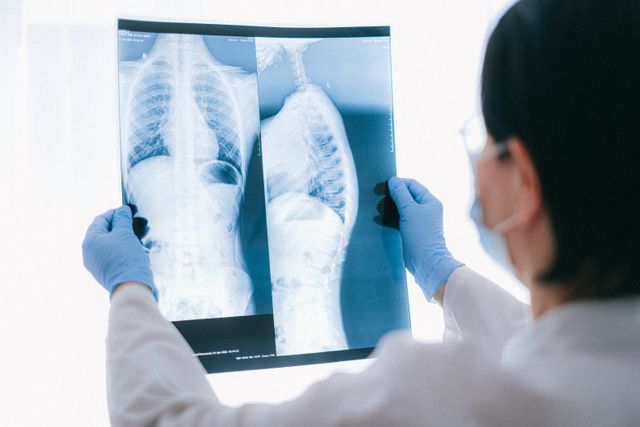
Chest X-rays can identify many problems, including a collapsed lung, known as pneumothorax, or fluid around the lung. However, not every rib fracture appears clearly on an X-ray. A CT scan produces more detailed images and may be used after substantial trauma or when clinicians need to see whether ribs are displaced, meaning the broken ends are no longer lined up.
Emergency care is needed for worsening breathlessness, coughing up blood, confusion, fainting, blue or grey lips, or increasing chest tightness. These signs can point to complications such as a lung injury, internal bleeding, or inadequate oxygenation. Delayed deterioration is one reason chest trauma should not be dismissed simply because a worker initially manages to get up and walk away.
Why Rib Fractures Can Affect Breathing
Ribs form a flexible protective cage around the lungs. Each breath depends on the chest wall expanding and contracting smoothly. A broken rib hurts when the chest moves, so an injured person may take shallow breaths without realising it. This protective response is often called splinting, because the body is trying to avoid painful movement.
Shallow breathing can leave mucus sitting in the lower parts of the lungs. Coughing is painful too, which makes clearing that mucus harder. In some cases, this can contribute to areas of poorly inflated lung tissue and increase the risk of a chest infection. Good pain control, breathing exercises, supported coughing, and early movement are therefore active parts of treatment, not merely comfort measures.
Multiple fractures can create a more unstable injury. With flail chest, a section of the chest wall is separated from the rest by fractures in several ribs, often broken in more than one place. That segment may move abnormally during breathing, while the underlying lung may also have been bruised. Flail chest and severe displacement require urgent trauma assessment because respiratory support and surgery may be considered.
When Surgical Rib Fixation May Be Considered
Surgical rib fixation, also called surgical stabilisation of rib fractures, is not the standard treatment for every broken rib. Many uncomplicated fractures improve with time, suitable pain relief, and respiratory physiotherapy. Surgery is considered when the expected benefits of stabilising the chest wall outweigh the risks of an operation and anaesthetic.
A common reason for referral is a flail chest or several significantly displaced fractures. Surgery may also be discussed when severe pain continues to prevent deep breathing, coughing, or mobilisation despite appropriate treatment. Another situation involves a patient who cannot come off a ventilator because an unstable chest wall is contributing to breathing difficulty, although decisions are always based on the full clinical picture.
During the operation, the surgeon makes an incision over the injured area and carefully exposes the fractured ribs. Broken segments are aligned and secured with purpose-designed plates and screws. This does not replace the body’s natural healing process. Instead, it holds the bones in a stable position while healing takes place and reduces harmful motion at the fracture site.
Timing matters. When surgery is appropriate, trauma teams often aim to assess and treat suitable patients early, once life-threatening injuries have been addressed and the patient is stable enough for an operation. Some injuries make surgery unsuitable or require priority treatment first, including uncontrolled bleeding, serious brain injury, infection at the surgical site, or major instability in the patient’s condition.
Recovery, Rehabilitation, and Returning to Work
Recovery starts with breathing. Hospital teams may use a combination of pain medicines, regional nerve blocks, oxygen monitoring, chest physiotherapy, and incentive breathing devices that encourage deeper breaths. The exact pain plan varies because strong medicines can cause drowsiness or nausea, while insufficient relief may stop a patient from taking the deep breaths needed to protect lung function.
After rib fixation, people are usually encouraged to sit up, walk, and perform breathing exercises as soon as it is safe. The goal is to restore ordinary movement gradually without placing unnecessary strain on the chest. Surgical wounds need monitoring for redness, swelling, discharge, increasing pain, or fever, which should be reported promptly because they may signal infection or another postoperative issue.
The timeline for returning to work depends on the injury, treatment, and job. Desk-based work may be possible before manual duties, but climbing ladders, lifting, operating machinery, driving for long periods, or working at height may require more recovery time. A worker should not return to safety-critical tasks while pain, restricted movement, sedating medication, or reduced breathing capacity could affect safe performance.
Employers can assist by arranging phased duties and avoiding tasks that risk another blow or fall during early healing. Occupational health teams may recommend temporary restrictions, such as limits on lifting, pushing, pulling, overhead work, or ladder use. Follow-up reviews can assess pain control, mobility, breathing, wound healing after surgery, and whether the worker can safely progress toward their usual role.
Taking Chest Trauma Seriously From the Start
A workplace fall can produce a straightforward rib fracture, but it can also cause injuries that become more apparent with time. Prompt assessment, effective pain relief, and attention to breathing help prevent avoidable complications. For people with an unstable or severely displaced chest wall injury, surgical rib fixation can provide stability as part of a broader trauma and rehabilitation plan, supporting a safer recovery and a measured return to work.
